


A Land of Contrasts
Life for Kenya's Poor
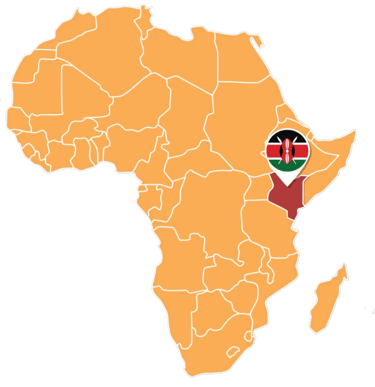
Kenya, located in East Africa, is a country of diverse landscapes, cultures, and languages. From the stunning savannahs of the Maasai Mara to the bustling streets of Nairobi, Kenya is a nation with a rich history and vibrant communities. It is known for its incredible wildlife, tourism, and as the home of some of the world's best long-distance runners. Kenya is also a leader in the region, with a growing economy and a strategic position on the continent.
Despite these strengths, the country faces significant challenges, particularly in addressing the needs of its most vulnerable populations.
For many of Kenya’s citizens, daily life is a constant struggle against poverty. A large portion of the population lives in rural areas, where access to basic services like clean water, healthcare, and education is limited. In these regions, most people rely on small-scale farming to support their families. However, unpredictable weather patterns, poor soil quality, and a lack of modern farming tools and techniques often result in low crop yields, leaving families with insufficient food and income. This can lead to malnutrition, especially among children, and makes it difficult for families to break the cycle of poverty.
Poor farming communities, in particular, face a unique set of challenges. Many small-scale farmers depend on seasonal rains to grow their crops, but with climate change causing erratic weather patterns, these rains can no longer be relied upon. When crops fail, it not only means that farmers lose their primary source of food but also their income, as they often sell surplus produce to cover basic needs like education and healthcare. The lack of access to quality seeds, fertilizers, and modern farming techniques further exacerbates these challenges, trapping these communities in a cycle of poverty and food insecurity.
Urban areas, while more developed, also present significant challenges for the poor. In cities like Nairobi and Mombasa, many people live in informal settlements or slums, where overcrowding, poor sanitation, and limited access to clean water create harsh living conditions. Employment opportunities in these areas are scarce, and those available often involve low-wage, informal work with little job security. As a result, many urban residents struggle to make ends meet, facing the constant threat of eviction, hunger, and illness.
Education, a potential pathway out of poverty, remains inaccessible for many Kenyan children, especially those from poor farming communities. While primary education is free and compulsory, associated costs such as uniforms, books, and transportation can be prohibitive for poor families. In rural areas, children may have to walk long distances to reach the nearest school, while in urban slums, overcrowded classrooms and a lack of resources can hinder learning. Many children, especially girls, drop out of school early to help support their families or because of cultural practices like early marriage, further perpetuating the cycle of poverty.
Healthcare is another critical issue for Kenya’s poor. Access to medical facilities is limited in rural areas, and even in urban centers, the cost of healthcare can be prohibitively high for those living in poverty. Many people cannot afford to seek treatment for preventable diseases, leading to high rates of illness and mortality, particularly among children under five. Additionally, the prevalence of HIV/AIDS, malaria, and other diseases poses a significant public health challenge, exacerbated by inadequate healthcare infrastructure and a shortage of medical professionals.
Despite these challenges, there is hope and resilience among Kenya’s poor communities. Grassroots initiatives, non-governmental organizations, and government programs are working to improve access to education, healthcare, and economic opportunities, particularly in poor farming communities. Programs like Charlie Cares’ Seeds of Hope and Fields to Future are making a tangible difference by providing resources and support to those in need. However, the road to overcoming poverty in Kenya is long, and sustained efforts are necessary to ensure that all Kenyans can achieve a better quality of life.








Swahili: The Language of Unity in Kenya
Swahili, or Kiswahili as it is known locally, is one of the two official languages of Kenya, alongside English. Rooted in the coastal regions of East Africa, Swahili has grown to become a unifying language across the country, transcending ethnic boundaries and connecting diverse communities. It evolved as a lingua franca, blending elements from Bantu languages with Arabic, Persian, Portuguese, and later English, reflecting the rich history of trade and interaction along the Swahili coast.
In Kenya, Swahili plays a crucial role in daily communication, education, and national identity. It is taught in schools from an early age and is commonly spoken in both rural and urban areas. While English is often used in formal settings, such as government, business, and higher education, Swahili remains the language of everyday life for many Kenyans. It’s the language heard in markets, homes, and social gatherings, and it’s a key medium for national media, music, and literature.
Beyond its practical use, Swahili holds cultural significance in Kenya. It serves as a symbol of unity in a country with more than 40 ethnic groups, each with its own language. By embracing Swahili, Kenyans share a common linguistic thread that fosters a sense of belonging and national pride. Whether in casual conversation or in the arts, Swahili continues to play a vital role in shaping Kenya’s cultural and social landscape.