Patrick's Practicum - Fourth Through Seventh Week
6/25/20265 min read
From Charlie Martin
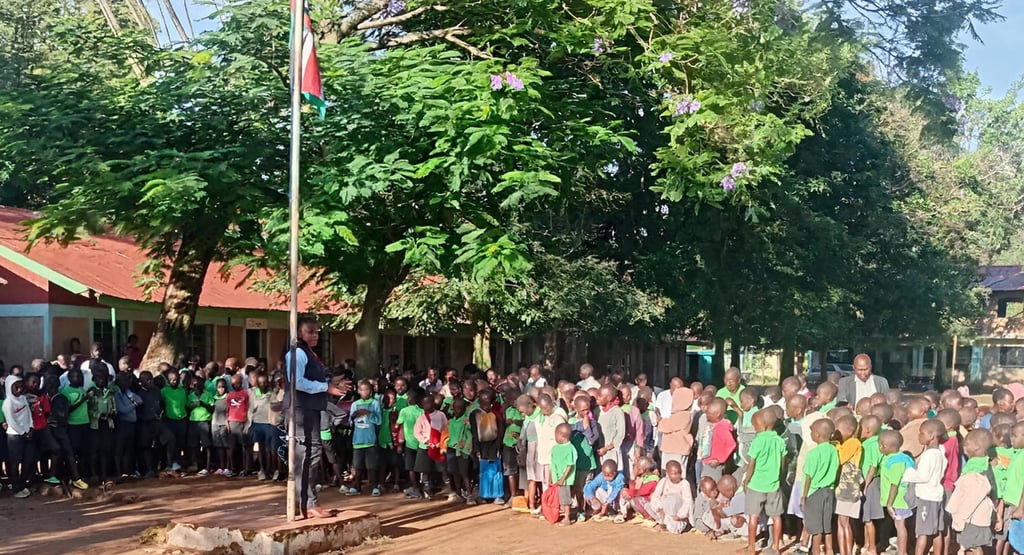
A couple of weeks ago, I shared Patrick's reflections from the beginning of his teaching practicum at Mungakha Junior School. Reading about his first days in the classroom was exciting because it showed the very reason we launched the Fields to Future campaign: helping Patrick move from being a student with a dream to becoming a teacher who is making a difference in the lives of young people.
Since then, Patrick has continued to grow. As he moves deeper into his practicum, he is learning that teaching involves much more than standing in front of a classroom. Every day brings new lessons about how to help students succeed.
I wanted to once again let Patrick tell his own story. The journal below shares highlights from Weeks Four through Seven of his practicum and offers a look into how he is developing as a teacher.
My Teaching Practicum at Mungakha Junior School
Weeks Four Through Seven
By Patrick Wesonga Okhiya
As I continue my teaching practicum at Mungakha Junior School, I can see how much I have grown since my first days in the classroom. Each week brings new challenges, new opportunities to learn, and greater confidence in my ability to teach and support learners.
Before sharing my experiences, I would like to again express my sincere gratitude to Fields to Future, Charlie Martin, and all the donors who have supported my education. Every lesson I teach is a reminder that your support has made this journey possible.
Week Four: Strengthening Confidence and Classroom Management
During my fourth week, I focused on improving the structure of my lessons and strengthening classroom management skills. While teaching Kiswahili grammar, I learned the importance of pacing lessons carefully so that all learners can follow and understand the content. Some students required additional explanations, which taught me the value of patience and flexibility.
I also encountered classroom discipline challenges during group activities. Rather than responding with strictness alone, I introduced clear group rules and appointed student leaders to help maintain order. This approach improved participation and accountability while creating a more positive learning environment.
One of the highlights of the week was teaching Social Studies using charts, diagrams, and other visual materials. Learners became more engaged and asked thoughtful questions. The experience showed me how powerful teaching aids can be in helping students understand complex ideas.
I also introduced peer learning activities, where stronger learners helped classmates who needed additional support. Watching learners encourage one another reminded me that learning is often most effective when students work together.
As the week ended, I reviewed assignments and assessed learner progress. The process helped me identify areas where students needed additional support and reinforced the importance of continuous assessment in effective teaching.
Week Five: Developing Assessment and Feedback Skills
This week helped me understand how important assessment and feedback are in the learning process.
While teaching composition writing, I guided learners on how to organize their ideas into introductions, body paragraphs, and conclusions. Many students struggled at first, but gradual improvement showed me that writing skills develop through consistent practice and encouragement.
I also spent time marking assignments and providing constructive feedback. I worked to ensure my comments were both encouraging and helpful. Seeing learners improve after receiving feedback reminded me that teachers play an important role in building confidence as well as academic skills.
Another memorable lesson involved teaching map-reading skills in Social Studies. Learners enjoyed identifying rivers, mountains, towns, and other geographical features. The lesson challenged me to simplify complex concepts and present them in ways that learners could easily understand.
Throughout the week, I also improved my questioning techniques. By asking both simple and challenging questions, I encouraged wider participation and gained a better understanding of what learners had mastered and where additional support was needed.
A short Kiswahili assessment at the end of the week revealed progress in many areas while also highlighting topics that would require further revision and practice.
Week Six: Building Classroom Confidence
By the sixth week, I noticed a significant change in myself. Standing in front of learners no longer felt intimidating. My confidence had grown, my voice was clearer, and I felt more comfortable leading lessons.
One of the important lessons this week was learning how to teach learners with different ability levels. Some students completed work quickly, while others needed additional guidance. I learned to adapt my teaching by providing extra challenges for advanced learners while giving more support to those who were struggling.
Group presentations became another valuable learning experience. Learners worked together to present Social Studies topics and build communication skills. Although some were initially shy, they became more confident with encouragement from their peers.
I also spent time motivating learners who were facing academic difficulties. Through conversations and encouragement, I reminded them that improvement comes through effort and persistence. Seeing some learners become more engaged after these discussions reinforced the importance of positive encouragement in education.
At the end of the week, I reflected on the progress both my learners and I had made. Participation and discipline had improved, though I identified time management as an area where I still need further growth.
Week Seven: Expanding Teaching Strategies
During Week Seven, I explored new ways of making lessons more engaging and interactive.
One of my favorite experiences was using storytelling to teach historical events in Social Studies. Learners became highly engaged and connected more deeply with the content. The experience showed me how storytelling can transform a lesson from information-sharing into meaningful learning.
I also introduced higher-order questions that encouraged learners to analyze and think critically rather than simply memorize facts. While some students initially found this challenging, many began developing stronger reasoning skills as the week progressed.
Classroom behavior continued to improve through guidance and counseling. I worked with learners to help them understand the importance of discipline, responsibility, and respect in achieving their goals.
Revision lessons and discussions prepared learners for assessments, and I was encouraged to see steady improvement in both comprehension and participation. Midweek evaluations showed positive progress across many areas.
At the end of the week, learners received assessment reports to share with their families before leaving for a short half-term break. Although classes paused for several days, I felt encouraged by the growth I had witnessed during these weeks and looked forward to continuing the practicum when learners returned.
Looking Ahead
As I reflect on these recent weeks, I can clearly see how much I have grown as a future teacher. The practicum continues to challenge me, but it also strengthens my confidence, skills, and commitment to education.
Each lesson teaches me something new - not only about teaching, but also about leadership, patience, and service. Most importantly, these experiences continue to confirm that teaching is the career I want to pursue.
Thank you once again to Fields to Future, Charlie Martin, and every donor who has supported my journey. Your belief in my education is helping me become the teacher I have always hoped to be. I look forward to sharing more experiences with you as my practicum continues.